


At a glance
Rating breakdown
-
5 ★62%
-
4 ★23%
-
3 ★13%
-
2 ★2%
-
1 ★0%


Quick facts
- What is the rating of Hili Oasis?
- Hili Oasis is rated 4.5 out of 5 based on 103 reviews.
- Where is Hili Oasis located?
- 7QJ8+PQX - Hili - Abu Dhabi - United Arab Emirates
- How can I contact Hili Oasis?
- Website: abudhabiculture.ae

Very nice place to visit in Al Ain. Enjoyed with family


Beautiful place,free entry and drive through
Deatiled video posted in my YouTube channel; Ditto Raju (channel name)
Deatiled video posted in my YouTube channel; Ditto Raju (channel name)


One of the six oases in Al Ain on the UNESCO World Heritage List, Hili Oasis covers an area of 60 hectares and contains approximately 40,000 mature palm trees over 252 farmed plots.
Hili oasis dates from a time when plantations such as Hili formed part of a wider Arab empire. Ruled by the Omani Yarubid dynasty, this brief-lived empire had its headquarters in Rustaq but was centred on the Batina and Dhahira regions of the modern Sultanate of Oman. Spreading throughout the Gulf and across the Indian Ocean to include parts of East Africa and what is now Pakistan and Iran, it consisted of a network of colonies and trading posts that not only provided the Yarubids with markets for their cash crops, such as the dates that were grown in Hili, but also gave them access to the slave labour that was required for labour-intensive industries such as pearl fishing and the date cultivation that took place in oases such as Hili. It was a time when there was a lot of wealth pouring into the Gulf from the Indian Ocean and that wealth was being invested in land.
Ruins of Bin Hadi Al Darmaki House
The Hili oasis contains several historic structures, including two watchtowers and a fortified house built in the early 1800s. The Bin Hadi Al Darmaki House stands at the centre of Hili Oasis and offers a good example of the fortified tower houses of the early 1800s that guarded the oases. The house now in ruins once consisted of a rectangular enclosure with a large square tower at one corner. Bait bin Hadi Al Darmaki was the wali (governor) of Mombasa under the Yarubids.
Al Afaj irrigation system
Al Aflaj and the related oral traditions, knowledge and skills of construction, maintenance and equitable water distribution was inscribed in 2020 by UNESCO as Intangible Cultural Heritage of Humanity.
Al Aflaj is a traditional irrigation system which uses an underground tunnel to conduct water over long distances from an underground source to a basin, where the community can access it. The water flows by gradual gradient from highlands to flatlands, while the underground tunnels reduce evaporation. Al Aflaj also includes a network of surface channels, which distributes water to local farms. The Al Aflaj system is based on inherited knowledge and practices related to nature and the universe. It also relies on traditional skills in finding water sources based on types of vegetation and other indications, as well as drilling skills for maintaining the irrigation system and ensuring the equitable distribution of water. Community members contribute to maintaining Al Aflaj and clearing the tunnels of mud; this knowledge and experience has been passed down for 3,000 years. Related knowledge is transmitted through instruction and shared experience as well as by other means such as field trips for school students. Throughout the centuries, the Al Aflaj have served to provide drinkable water for humans and animals and to irrigate farms in an arid environment, demonstrating the community’s creativity in the face of water scarcity and the desert environment.
The Hili Watch Towers
THE HILI WATCHTOWERS
Although commissioned by different patrons, the two watchtowers at Hili served a common aim – to form a protective gateway to Hili village and guard its vital water supply. Both towers were built of local materials including mud bricks, palm trunks and fronds. The square tower, known as the Sheikh Zayed Murabba, was built at the command of the late Sheikh Zayed bin Sultan Al Nahyan, Founding Father of the United Arab Emirates. The tower stands on top of a man-made earth mound and has the classic features of the defensive murabba (square) tower. Approximately 50 metres away, the 7.4 metre high round watchtower known as Seebat Khalifa bin Nahyan dominates a similar earth mound. This older tower was probably built during the 19th century.


Lively quiet oasis, huge wuthbhistirical buildings, drive or stroll through


Beautiful and cozy place, many palms. Luck of benches to chill in shadow with book.


One of the best natural place in UAE to explore the Palm Tree farms.. We went there at around 7.00 am in the morning.
It was a great experience to feel the nature.
It’s a must visit place in UAE.
It was a great experience to feel the nature.
It’s a must visit place in UAE.


Good ambiance
Must go area for a relaxing mind
We can you vehicle to see this area
Full of green nature
Must go area for a relaxing mind
We can you vehicle to see this area
Full of green nature


Explore More
Nearby Places

View Place
Hili Tower

View Place
AlRumaila Fort

View Place
Baqala Juma Khamis
View Place
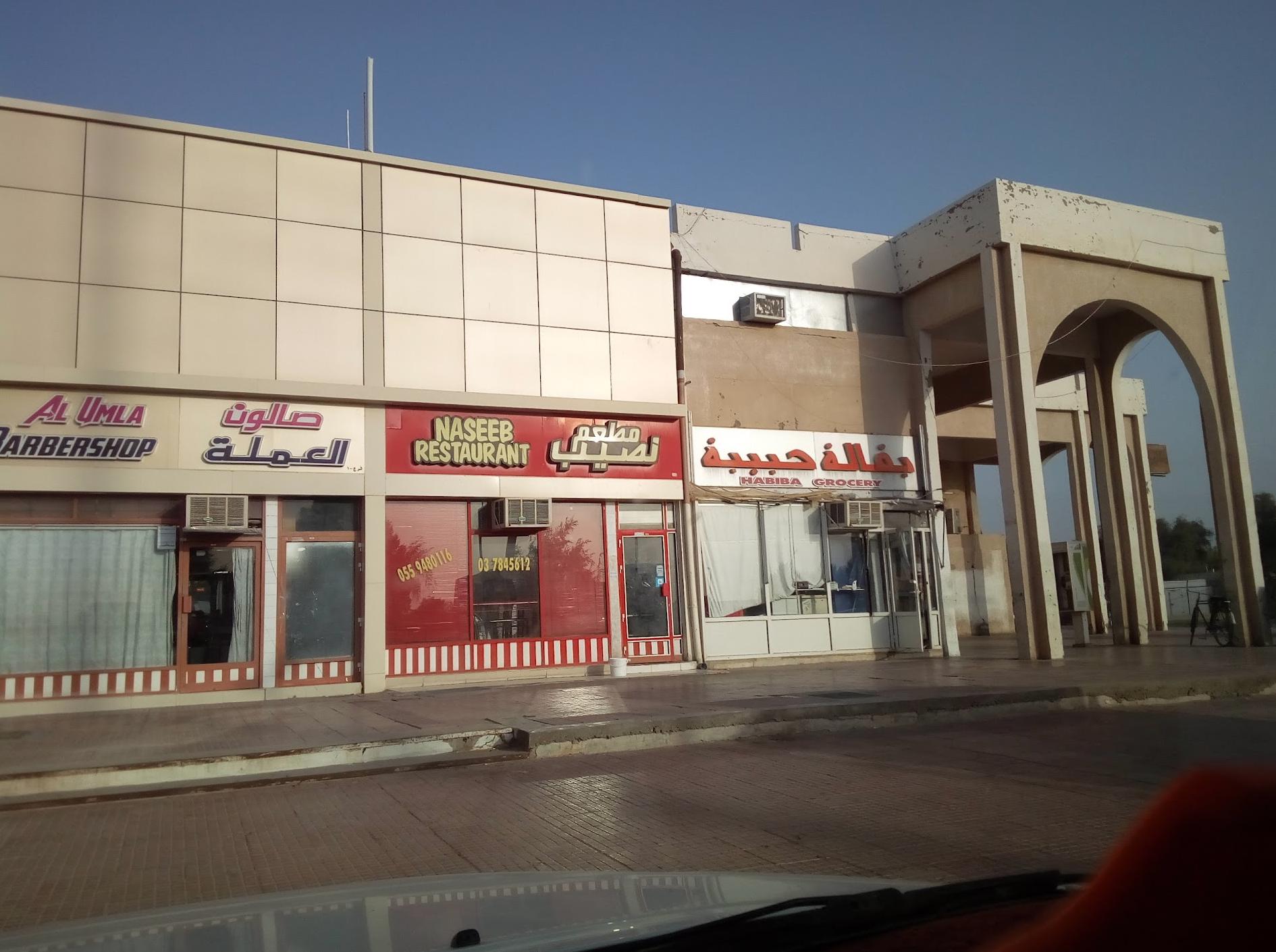
Habiba Grocery

View Place
Al Hili Gift Market

View Place
Humaid Bin Hedhaiba Aldarmaki Fort

View Place
Hili Towers
View Place
Baqala Obaid Mohd Al Dhaheri
View Place
AL MISBH Grocery store

View Place
Ramla Baqala
You may also like
Similar Places

View Place
Dubai Creek Harbour

View Place
Pier71 Yas Island

View Place
Yas Water Front

View Place
Sky Walk

View Place
Dubai Municipality Museum

View Place
Jet Sky

View Place
Big Travel Tourism

View Place
Arabian Holidays
View Place
AlRumaila Fort

View Place